Plumeria Flower Line Art SVG: A Designer Review
As a designer who has spent years navigating the gap between digital vectors and physical thread, I approach every new machine embroidery design with a mix of excitement and skepticism. The market is flooded with assets that look stunning on a screen but fall apart under the tension of a hoop. Recently, I evaluated the Plumeria Flower Line Art SVG, a graphic promising the elegance of tropical flora in a continuous line style. Before I commit to stitching this onto a client's custom apparel or stocking it in my small shop product line, I need to know how it truly performs in the real world.
The First Impression: Elegance Meets Utility
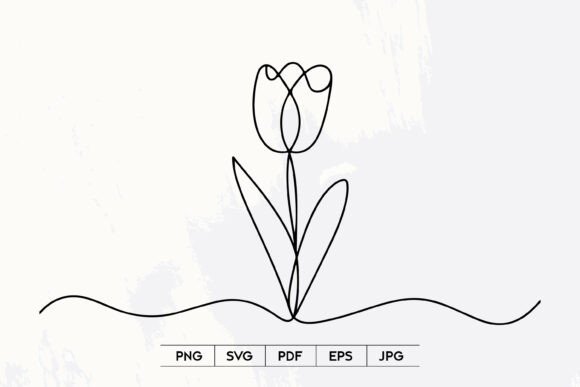
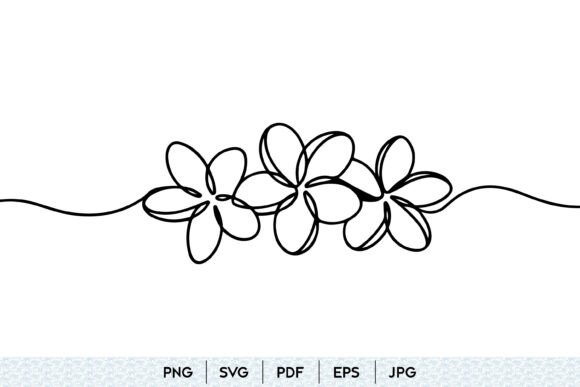
When I first opened the file suite for the Plumeria Flower Line Art SVG, the visual impact was immediate. This isn't just another generic flower; it captures the specific, graceful droop of the frangipani petals using a single, unbroken stroke. As an Illustration asset, it leans heavily into minimalism. For those of us creating handmade products where negative space is as important as the stitch itself, this design offers a sophisticated alternative to dense, traditional floral fills.
The mood it creates is breezy and organic, perfect for spring collections or summer boutique branding. However, the "line art" classification is a double-edged sword. In the world of Graphics, thin lines are trendy. In the world of embroidery, they require precision. My initial thought was to use this for a high-end tote bag design. Imagine a sturdy canvas tote featuring this single-line plumeria in a vibrant coral thread against natural linen. The simplicity would allow the texture of the fabric to shine through, elevating the item from a basic accessory to a curated personalized gift.
Translating Vector Lines to Stitched Reality
The critical question for any Etsy seller or craft business owner is: how does this translate from a vector path to actual thread? The Plumeria Flower Line Art SVG relies on what we call a continuous line aesthetic. To achieve this in embroidery without a true "running stitch" simulation that might look too loose, you typically have to rely on a very narrow satin stitch or a fine fill stitch that mimics a line.
I tested the concept mentally against a few scenarios. For a sweatshirt embroidery project, placing this design on the chest pocket area could be striking. The clean lines would contrast beautifully with the soft fleece texture. However, because the design is so delicate, the choice of thread colors becomes paramount. On a dark garment, a white or light pastel thread would pop, but if the stitch density is too low, the fabric might show through, making the flower look broken rather than intentional.
For commercial embroidery projects, such as branding for a yoga studio or a beachside cafe, this design works well as a logo element. It conveys a sense of calm and nature. But here is where practical judgment takes over: do not attempt to scale this down too much. If you shrink the hoop size to fit a tiny cap patch, those elegant curves will likely turn into jagged blobs. The Plumeria Flower Line Art SVG needs room to breathe. I recommend keeping the design at least 4 inches wide to maintain the integrity of the petal shapes.
Navigating Fabric Challenges and Textures
One of the biggest hurdles with line art designs is the underlying material. When I consider using this for baby embroidery, like a onesie or a nursery blanket, the fabric texture is a major factor. Knits stretch, and cottons can pucker. If you apply a heavy stabilizer to support the design, you risk stiffening the fabric, which is undesirable for baby items. Conversely, if you don't use enough stabilizer, the fill stitch or satin edges might sink into the weave, distorting the smooth flow of the plumeria.
Textured fabrics like denim or heavy canvas are generally safer bets for this type of embroidery file. The thickness of the fabric helps hold the stitches in place, preventing the "tunneling" effect where thread sinks into gaps. However, avoid highly textured surfaces like waffle weave or boucle unless you are aiming for a rustic, imperfect look. The single line flower svg style demands a relatively flat surface to look professional.
Another consideration is the washing durability. If you are selling kitchen towels or aprons with this design, remember that frequent washing can cause threads to loosen, especially in thin line work. You might want to reinforce the back of the design with a tear-away stabilizer or ensure the digitizing includes a secure backing layer. For a holiday embroidery gift, like a pillow cover, the wear and tear will be less, allowing you to take more creative risks with lighter thread weights.
Practical Notes for the Professional Maker
If you decide to integrate the Plumeria Flower Line Art SVG into your workflow, here are my essential tips based on experience:
- Test on Scrap Fabric First: Never skip this step. Run a test on the exact fabric you plan to use. Check if the line width looks consistent after stitching.
- Check Thread Contrast: Because this is a line design, low contrast can make the flower invisible. Ensure your thread colors stand out clearly against the background.
- Review Hoop Size Compatibility: Verify that the design fits within your machine's maximum hoop dimensions without needing to re-hoop, which can shift alignment.
- Inspect Small Details: Look closely at the center of the flower and the petal tips. These are areas where thin lines often break during stitching.
- Use Proper Stabilizer: Even though the design is simple, a cutaway stabilizer often provides better longevity for garments that will be washed frequently.
- Confirm Licensing: The product description mentions receiving a zip file with PNG, JPG, EPS, SVG, and PDF formats. While these are great for printable mockups and digital previews, always confirm the license terms before selling finished items or reselling the digital embroidery file itself.
Final Verdict: A Versatile Asset with Caveats
The Plumeria Flower Line Art SVG is a strong contender for designers looking to add a touch of modern elegance to their portfolio. It excels in projects where minimalism is the goal, such as high-end custom apparel, boutique packaging, or artistic embroidered patches. It transforms a standard sweatshirt or tote bag into a conversation piece.
However, it requires a skilled hand. It is not a "load and go" design for beginners working with difficult fabrics. The success of the finished product hinges on your ability to manage stitch density and fabric stabilization. If you respect the limitations of the medium and treat the design with the care it deserves, this tropical flower can become a signature element in your brand. For the savvy creative entrepreneur, it offers a unique way to stand out in a crowded marketplace, provided you prioritize quality over speed.
In conclusion, while the Plumeria Flower Line Art SVG offers beautiful aesthetics, its value lies in how you execute it. Use it where the fabric supports the art, keep the scale generous, and always test before you sell. When done right, it’s not just a flower; it’s a statement of refined taste.