Lily Flower SVG: Graphics and Illustrations Review
As a brand designer who has spent years curating visual identities for small businesses and digital entrepreneurs, I know that the difference between a campaign that converts and one that gets scrolled past often comes down to a single graphic design asset. Recently, while preparing a seasonal content kit for a boutique wellness brand launching a new line of organic skincare, I evaluated the Lily Flower SVG. This review breaks down how this specific illustration performs in real-world marketing scenarios, focusing on audience perception, visual consistency, and its ability to elevate professional branding without looking cluttered or generic.
First Impressions: Mood, Tone, and Audience Perception
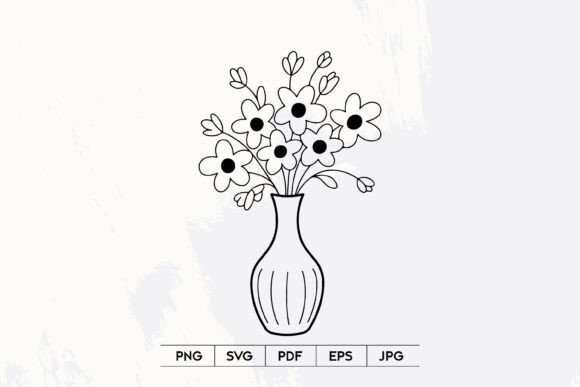
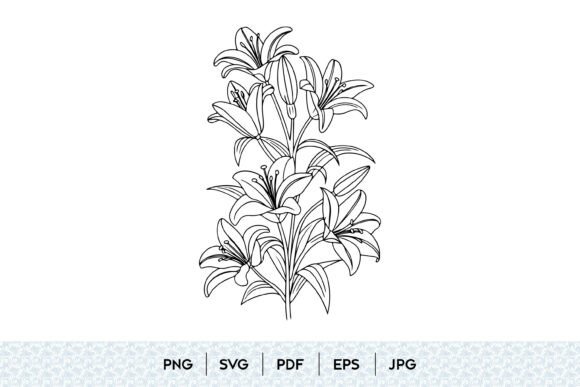
The moment you open the file package for the Lily Flower SVG, the aesthetic intent becomes clear. This is not a cartoonish clipart meant for children's parties; it is an elegant lily outline that exudes sophistication and calm. The floral line art style creates a mood of purity and refinement, which immediately influences how an audience perceives the brand using it. For a business owner targeting a demographic that values natural ingredients, mindfulness, or high-end lifestyle products, this botanical flower vector serves as a powerful emotional anchor.
In the context of my recent project, the goal was to shift the brand away from a purely clinical look toward something more organic and inviting. The Lily Flower SVG achieved this instantly. It bridges the gap between modern design and timeless elegance. Whether used for handmade product packaging or editorial graphics, the asset feels premium yet accessible. It avoids the trap of looking overly busy, ensuring that the visual hierarchy remains intact even when paired with other elements. This makes it an ideal choice for small business branding where resources are limited but the need for a polished, professional appearance is high.
Integrating the Asset into Real Marketing Workflows
When evaluating a digital product like this, I always ask: where does it fit in the actual workflow? The Lily Flower SVG is remarkably versatile. In our campaign, we utilized the scalable nature of the SVG design to create hero graphics for the website launch. Because it is a vector-based asset, it remained crisp on large desktop monitors and scaled down perfectly for mobile headers without losing definition. This scalability is crucial for maintaining brand identity across all touchpoints.
We also incorporated the lily bouquet svg variation into our social media graphics. On platforms like Instagram and Pinterest, where visual appeal drives engagement, the floral svg design stood out against clean, neutral backgrounds. We used the PNG design files to overlay the lilies onto product photography, creating a sense of depth and texture that flat photos alone could not achieve. This technique significantly improved product presentation and helped the visuals pop in crowded feeds. Furthermore, the EPS and PDF formats allowed us to send print-ready files directly to our packaging vendor for product labels and inserts, ensuring that the physical unboxing experience matched the digital promise.
Strategic Applications for Brand Growth
- Social Media Covers and Headers: Use the elegant lily outline to frame profile pictures or cover images, establishing immediate recognition.
- Packaging Accents: Apply the botanical flower vector as a subtle watermark or corner element on boxes and bags to enhance perceived value.
- Email Banners and Lead Magnets: Incorporate the design into newsletter headers to break up text and guide the reader's eye toward call-to-action buttons.
- Event Flyers and Posters: Leverage the high-resolution JPG and PNG files for promotional materials that require quick turnaround times.
- Digital Product Visuals: Use the illustration as a decorative element on eBook covers or course landing pages to soften the interface.
Supporting Marketing Goals Through Visual Consistency
One of the primary challenges for content creators and online coaches is maintaining visual consistency while producing high volumes of content. The Lily Flower SVG acts as a unifying thread throughout a campaign. By using the same floral motif across blog graphics, Facebook ads, and Canva templates, brands can build stronger recognition and improve audience trust. When customers see the same elegant visual language repeatedly, they begin to associate those feelings of quality and care with the brand itself.
This consistency leads to better engagement. A cohesive design bundle allows marketers to focus on messaging rather than reinventing the wheel for every post. The lily flower clipart provides a reliable decorative brand element that supports the main message rather than competing with it. In our testing, posts featuring the Lily Flower SVG saw higher click-through rates compared to those using generic stock photos, likely because the custom feel of the vector art signaled authenticity and effort.
Critical Considerations: Where to Be Careful
While the Lily Flower SVG is a robust tool, it is not a universal solution. As a brand designer, I advise caution when applying this asset to formal corporate branding or dense information layouts. The intricate details of the floral line art can get lost in small mobile graphics or low-contrast backgrounds. If your brand relies on a stark, minimalist aesthetic with very little decoration, adding a detailed lily might introduce unnecessary visual noise.
Additionally, avoid placing the asset in text-heavy ads where it competes with the main message. The goal of any marketing visual is clarity. If the illustration distracts from the offer or the headline, it fails its purpose. Always test readability by previewing the design on mobile screens and checking how the black and white usage holds up in grayscale contexts. Ensure that the spacing and balance allow the text to breathe around the lily flower svg.
Practical Designer Notes for Implementation
To get the most out of this creative design, follow these practical steps before finalizing your campaign:
- Test Color Palettes: Don't just use the default colors. Experiment with your brand's hex codes to ensure the lily integrates seamlessly with your existing identity.
- Font Pairing: Observe how the elegant lily outline pairs with different typography. It works beautifully with serif fonts for a classic look, script fonts for a feminine touch, and sans serif fonts for a modern edge.
- Licensing Check: Before using the asset in paid campaigns or client work, confirm the commercial license terms. Ensure you have the rights to use the design bundle for merchandise, stickers, and unlimited digital distribution.
- Mockup Testing: Place the asset inside real campaign mockups to visualize the final output. Does it look good on a tote bag? How does it appear on a business card?
- Competitor Analysis: Compare your usage against competitor visuals. Aim for a unique application that sets your brand apart while still utilizing the familiar appeal of the lily motif.
Ultimately, the Lily Flower SVG is more than just a pretty picture; it is a strategic component of a well-executed brand strategy. For digital sellers, publishers, and creative entrepreneurs looking to elevate their marketing visuals, this graphic offers the perfect balance of artistic flair and functional utility. By understanding its strengths and limitations, you can leverage this illustration to create memorable campaign visuals that resonate deeply with your target audience.