Geometric Square Frame Vector Set Review
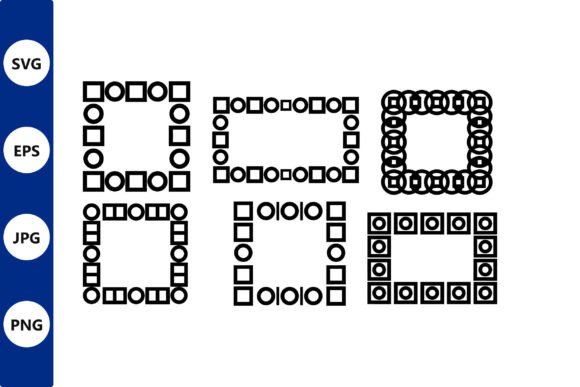
As a designer who has spent years navigating the fine line between digital art and physical thread, I approach every new asset with a critical eye. The market is flooded with generic patterns, but finding a machine embroidery design that balances modern aesthetics with structural integrity is rare. Recently, I tested the Geometric Square Frame Vector Set, a collection of black and white geometric frames arranged in a grid. My goal was simple: determine if these Graphics could survive the translation from vector file to stitched reality on high-end handmade products.
The First Impression: Structure Meets Minimalism
When I first opened the digital download, the visual impact was immediate. The clean lines and sharp angles of the square frames exude a sense of order and professionalism. In the realm of Illustrations, this set stands out for its versatility. It does not scream for attention; instead, it offers a sophisticated border that elevates whatever sits inside or around it. For an Etsy seller or a boutique owner looking to create a cohesive brand identity, these frames provide a perfect canvas. They feel less like a decorative afterthought and more like a foundational element of a commercial embroidery project.
The mood created by these frames is one of modern elegance. Whether you are designing a logo for a craft business or creating a personalized gift, the geometry suggests precision. However, as any experienced embroiderer knows, what looks crisp on a screen can behave differently under a needle. The true test lies in how the stitch density and line weights translate when converted into an embroidery file.
A Real-World Test: The Custom Tote Bag Project
To put the Geometric Square Frame Vector Set through its paces, I decided to use it for a custom tote bag design intended for a local artisan market. The client wanted a minimalist look that would appeal to young professionals—something that felt curated rather than mass-produced. I envisioned placing a small, monogrammed initial inside one of the square frames on the front pocket of a heavy-duty cotton tote.
The process began with converting the vector format into a stitchable path. Since the original files are provided in SVG, EPS, PNG, and JPG, I had flexibility in how I manipulated the lines. The challenge with geometric shapes is maintaining the sharpness of the corners. If the running stitch or fill stitch settings are too loose, the square can lose its definition, appearing soft or rounded where it should be crisp.
After digitizing a sample frame, I ran a test on a scrap piece of fabric similar to the final tote material. The result was promising. The black and white contrast of the original design allowed me to experiment with different thread colors. I found that using a slightly off-white thread against a natural beige tote gave the finished product a subtle, high-end texture. The frame held its shape well, proving that the Geometric Square Frame Vector Set is robust enough for custom apparel projects where durability matters.
Stitching Clarity and Visual Appeal
One of the most critical aspects of this design is its adaptability to different stitching techniques. While the original is a flat graphic, in embroidery, we often need to decide between satin stitches for borders and fill stitches for larger areas. The square frames in this set are thick enough to accommodate a double satin stitch, which adds a lovely sheen and depth. This is particularly effective for sweatshirt embroidery or denim jackets, where the raised texture of the satin stitch contrasts beautifully with the fabric.
However, I also noticed that the inner details of some frames require careful attention. If you plan to place text or intricate logos inside the frame, you must ensure there is enough negative space. Crowding the interior can lead to puckering, especially on lighter fabrics. For a personalized gift like a baby blanket or a nursery pillow cover, keeping the interior sparse allows the geometric frame to do the heavy lifting visually without overwhelming the delicate nature of the item.
Navigating Challenges: Where Caution is Key
While the Geometric Square Frame Vector Set is versatile, it is not without its limitations. As a professional reviewer, I must highlight scenarios where these designs might struggle. The primary concern is the hoop size. Some of the larger frames in the grid may exceed the capacity of standard 4x4 inch hoops, requiring you to split the design or use a larger hoop. Splitting a continuous geometric line can sometimes disrupt the flow, so planning your layout is essential.
Another area for caution is textured or stretchy fabrics. On materials like jersey knit or heavy wool, the rigid lines of a square frame can emphasize the stretchiness of the fabric, leading to distortion once the garment is worn. If you are working with stretchy fabric, I strongly recommend using a cut-away stabilizer to maintain the integrity of the square shape. Without proper support, the corners might pull, ruining the geometric precision that makes this set so appealing.
Furthermore, consider the background color. The design is inherently black and white, which works perfectly for dark fabrics with light thread or vice versa. However, if you are embroidering on a medium-toned or patterned fabric, the contrast might be lost. Always create a printable mockup before committing to the final run. This step is crucial for small shop owners who want to ensure their inventory looks consistent and professional.
Practical Notes for the Modern Maker
If you are considering integrating the Geometric Square Frame Vector Set into your workflow, here are my top practical recommendations based on real-world application:
- Test on Scrap Fabric First: Never skip this step. Run a single frame on a swatch of your actual project fabric to check for puckering and tension issues.
- Check Thread Color Contrast: While the design is black and white, the magic happens in the thread choice. Ensure your thread colors pop against the fabric to maintain the graphic's clarity.
- Review Stitch Density: Adjust the density settings during digitization. Too dense, and the fabric will stiffen; too loose, and the square edges will blur.
- Confirm Hoop Size Compatibility: Measure your largest frame against your machine's maximum hoop dimensions to avoid splitting the design unnecessarily.
- Inspect Small Details: Zoom in on the corners. Sharp 90-degree turns can be tricky for machines; you may need to slightly round them digitally to prevent thread breaks.
- Verify Licensing: Before selling handmade products featuring these frames, confirm the license terms regarding commercial use. This is vital for digital product sellers and craft businesses alike.
Final Verdict: A Versatile Asset for Branding
In conclusion, the Geometric Square Frame Vector Set is a valuable addition to any designer's library. It bridges the gap between digital Graphics and tactile machine embroidery design with impressive success. Its clean aesthetic makes it ideal for branding icons, decorative accents on tote bag designs, and sophisticated holiday embroidery gifts. While it requires careful handling regarding fabric type and stabilizer choice, the payoff in terms of visual appeal and perceived value is significant.
For the Etsy seller or the creative entrepreneur looking to elevate their product line, these frames offer a professional touch that separates amateur work from curated craftsmanship. By respecting the technical requirements of embroidery and leveraging the strong visual personality of these squares, you can create finished products that customers will trust, admire, and purchase repeatedly. Whether used for a single embroidered patch or a full collection of commercial embroidery assets, this set proves that sometimes, the simplest geometric shapes make the strongest statement.